Discover Your Dream Adventure: Choosing the Perfect Morocco Travel Package
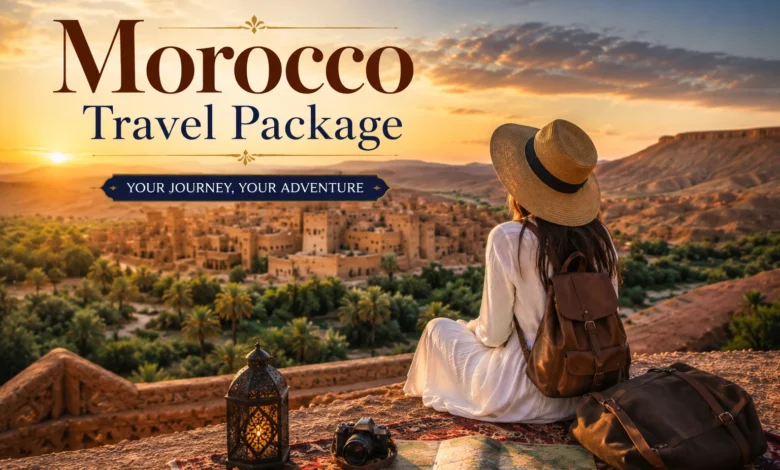
A trip to Morocco sounds simple in your head and gets complicated the moment you start booking it. Which city first, how many nights in the desert, whether a driver is really necessary between Marrakech and Fes, whether that riad with the beautiful photos is actually two hours outside town. A well-built Morocco travel package exists mostly to take that second part off your hands, so the souks, the kasbahs, the camel rides at sunset and the quiet oases stay the part you actually remember.
Morocco does most of the work once you arrive: centuries of layered history, mountains, desert and coast all within a few hours of each other. What varies enormously is how that trip gets organized, and a package built around your pace, budget and interests tends to be the difference between a trip that flows and one that turns into a string of missed connections. Below is a genuine, unranked look at what a Morocco travel package can look like, and how to pick the right shape of one.
Why Book a Morocco Travel Package
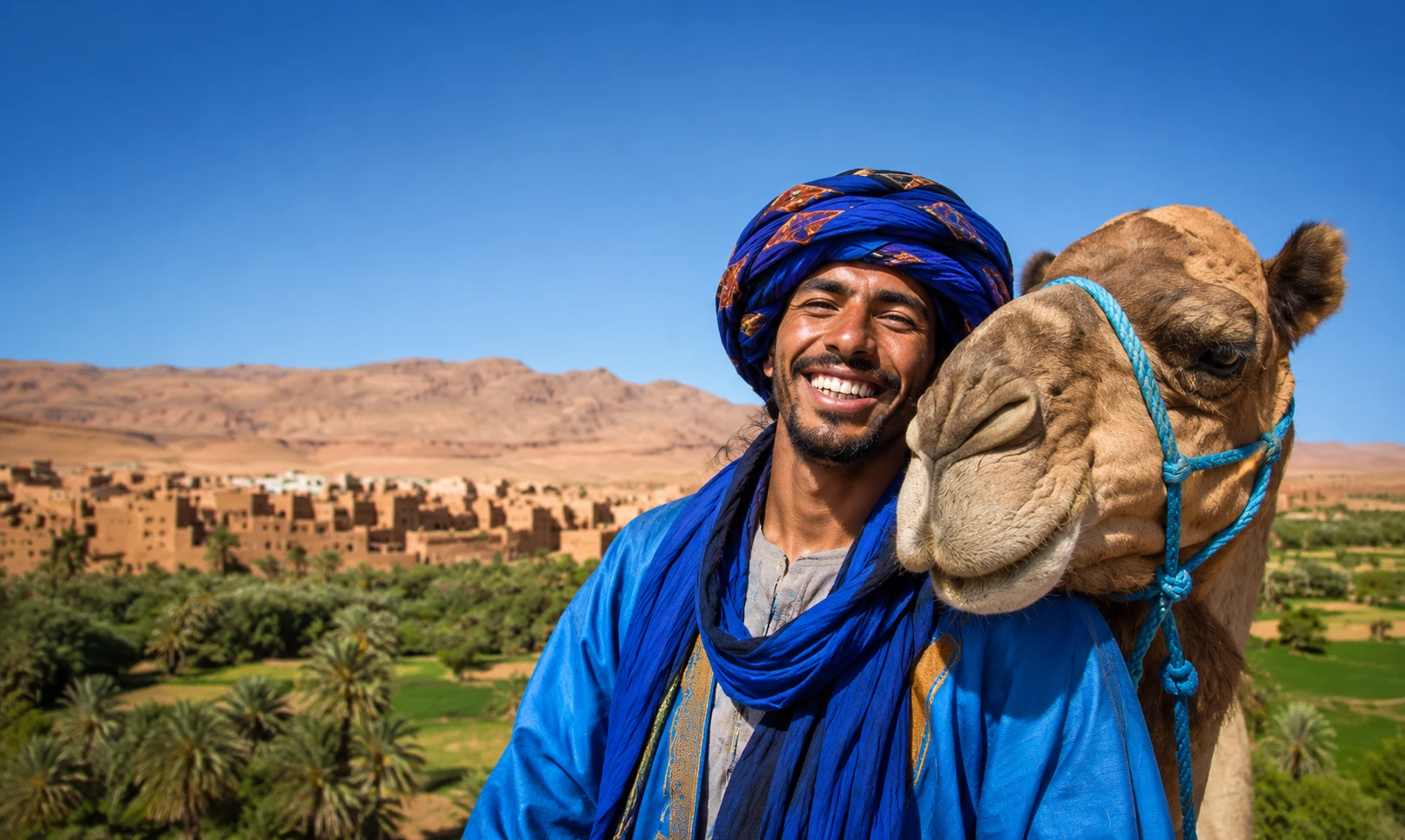
The honest case for booking a package rather than piecing a trip together yourself comes down to a few practical things, not convenience for its own sake.
- Less to plan yourself. Accommodation, transport between cities, activities and a knowledgeable guide are already arranged, so most of the trip-planning stress disappears before you land.
- Often cheaper than doing it alone. An established Morocco travel agency usually has standing rates with hotels and drivers that are hard to match booking everything individually, and it saves the hours normally spent comparing options.
- Someone to call if something goes wrong. A missed connection, a closed mountain road, a change of plan. Having a local team already handling logistics matters more in Morocco than in most places, simply because distances and routes can be unpredictable.
- Access that is hard to arrange alone. Some packages, particularly the more upscale ones, include things you would struggle to book independently: a proper desert camp rather than a roadside tent, or a guide who actually specializes in what you care about.
Types of Morocco Travel Packages at a Glance
Not every trip to Morocco should look the same, which is why packages tend to fall into a handful of broad categories rather than one fixed format. A few ready-made routes cover the basics well, including a four-day route between Fes and Marrakech, a five-day loop from Marrakech, and a slightly longer six-day tour from Marrakech. Beyond those, most travelers end up choosing between an all-inclusive package, a luxury tour, a best-of highlights itinerary, or something built entirely from scratch, each covered below.
All-Inclusive Morocco Packages
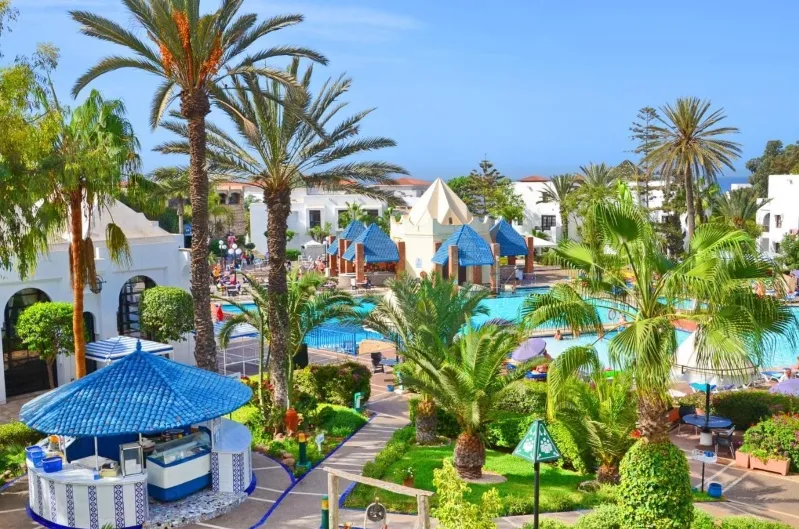
For travelers who would rather not think about a single booking once they land, an all-inclusive Morocco package covers nearly everything upfront.
- Accommodation. Anywhere from character-filled riads to larger hotels, depending on the route.
- Transport. Airport transfers and private vehicles between cities are already arranged.
- Meals. Typically breakfast and dinner at minimum, sometimes all three.
- Activities and entrance fees. Camel treks, guided tours and other pre-booked experiences.
- A local guide who can actually explain what you are looking at, not just walk you past it.
The appeal here is mostly about budgeting. You know the total cost before you leave home, and there is very little left to arrange once you land.
Luxury Morocco Tours
A step above the standard package, luxury Morocco tours are built around better rooms, quieter transport and a level of service most travelers only get once they specifically ask for it.
- Boutique stays. A well-chosen riad, a five-star hotel, or a proper luxury desert camp near Merzouga rather than a shared tented site.
- Private transport. Air-conditioned vehicles with an experienced, discreet driver.
- Dining that goes beyond the standard hotel buffet, including private meals set up in unusual locations.
- Access most travelers cannot easily arrange alone. Private cooking classes, earlier entry to sites, and guides who specialize rather than generalize.
- One point of contact throughout the trip, so questions get answered quickly rather than routed through several people.
Best-of-Morocco Tours
If this is a first visit and the goal is to see as much of the country’s range as comfortably possible, a best-of Morocco itinerary is usually the right starting point.
- The imperial cities. Marrakech, Fes, Rabat and Meknes, each with a genuinely different character and history.
- A pass through the Atlas Mountains, often with a stop in a Berber village along the way.
- A night or two in the Sahara, camel trek included, ending in a proper desert camp near Merzouga.
- A coastal stop, Essaouira most often, for a slower day or two by the water.
Custom Morocco Tours
For travelers with a particular interest, an odd number of days to fill, or a wish to skip the obvious stops entirely, a custom Morocco tour starts from a blank page instead of a template.
- Working out what actually matters to you, food, architecture, hiking, photography, before anything gets booked.
- Building the route around that, rather than fitting your interests into someone else’s fixed itinerary.
- Choosing accommodation to match your budget and style, from simple guesthouses to full luxury stays.
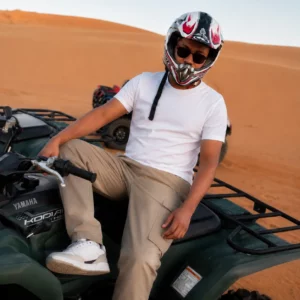
- Adding experiences a fixed package would not think to include, a hot air balloon at dawn, half a day with a specific artisan, quad biking outside Merzouga.
Morocco Wedding Packages
Morocco has become a genuine option for destination weddings, largely because the setting does most of the work: a riad courtyard, a desert camp under a very clear sky, or a coastal terrace at sunset. All-inclusive wedding packages in Morocco typically bring together everything below.
- A venue, whether a Marrakech riad, a desert setting or a coastal resort.
- Accommodation for the couple and their guests.
- Catering that mixes traditional Moroccan dishes with more familiar options for international guests.
- Decor, music and dancers arranged locally rather than flown in.
- Photography and videography to cover the day properly.
- Help with the legal side, since marriage paperwork in Morocco has its own process, plus a planner to hold the day together.
Somewhere between the palace courtyard and the open Sahara sky is usually where the best distinctive experience of the day happens, and it rarely needs much more than the setting itself.
Popular Stops on a Morocco Travel Package
Most packages, whatever category they fall into, draw from the same shortlist of places. Knowing what each one actually offers helps when comparing itineraries.
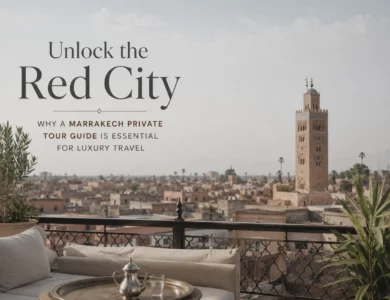
- Marrakech. The Red City, and usually the busiest stop. Djemaa el-Fna, the souks, Bahia Palace and the Jardin Majorelle are the obvious anchors, and most day trips into the surrounding region start from here.
- Fes. Morocco’s oldest imperial city, built around a walled medina old enough to be genuinely disorienting on purpose. The tanneries and centuries-old madrasas are worth the walk.
- The Sahara, around Merzouga and Erg Chebbi. Camel trekking at sunset, a night in a desert camp, and a stretch of sky with far less light pollution than anywhere else on the route.
- The Atlas Mountains. Proper peaks rather than hills, Berber villages along the way, and some of the better hiking in the country for anyone who wants out of the vehicle for a while.
- Essaouira. A relaxed coastal town with a working fishing port, a walkable medina, and noticeably cooler air than inland Morocco in summer.
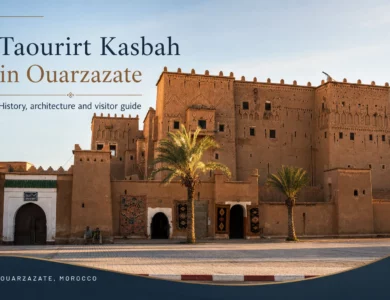
- Ouarzazate. Sometimes called the country’s film capital, thanks to the studios nearby, and the usual gateway to the Ait Ben Haddou kasbah.
- Chefchaouen. The Blue City in the Rif Mountains, distinct from anywhere else on a typical route and usually added onto longer itineraries.
Choosing a Morocco Travel Agency
The operator behind a Morocco travel package matters as much as the package itself. A few things are worth checking before booking with any Moroccan travel agency, ours included.
- Local knowledge. Not a call center reading from a script, but a team who actually lives and works in Morocco and can answer specific questions about a specific route.
- Licensed guides and properly maintained vehicles, since this affects both safety and how much you actually learn along the way.
- Genuine flexibility. An agency willing to adjust an itinerary rather than sell you the same fixed route as everyone else.
- Support during the trip itself, not just before you book, since the moments that actually need help tend to happen mid-trip.
- Clear pricing upfront, with no vague add-ons that only appear once you are already there.
Distinctive Experience works this way as a morocco travel agency based in Marrakech, building both fixed itineraries and fully custom Morocco tours, with someone reachable throughout the trip rather than only before you book.
Practical Tips Before You Go
- Passport validity. Keep at least six months remaining beyond your departure date from Morocco, since airlines and border control both check this.
- Currency. The Moroccan dirham is the local currency, and cash still matters for souks and smaller purchases even though cards are widely accepted elsewhere.
- Language. Arabic and Amazigh are official, French is common, and English gets you through most tourist areas, though a few basic Arabic words go a long way.
- Dress. Morocco is a Muslim country, and modest clothing, particularly shoulders and knees covered, is appreciated at religious sites and in smaller towns.
- Water and sun. Bottled water, sunscreen and a hat matter more than they sound, especially in the desert and through summer.
- Insurance. Travel insurance covering the trip is worth arranging before you leave, not after something happens.
There is no single right way to see Morocco, which is really the point of choosing a package instead of guessing at a route alone. The right one mostly comes down to how much you want handled for you versus how much you want to shape yourself.
Frequently Asked Questions
What does a Morocco travel package usually include?
Most packages cover accommodation, transport between destinations, some or all meals, and a set of guided activities. All-inclusive, luxury and fully custom options all exist, depending on how much you want arranged versus decided together beforehand.
Can a Morocco travel package be customized?
Yes, and it is one of the more common requests. A route can be rebuilt around specific interests, whether that is food, history, hiking or simply a different pace than a fixed itinerary offers.
Is Morocco a safe destination for tourists?
Morocco is generally considered one of the safer countries to visit in North Africa, and traveling with a local agency adds a layer of support if anything unexpected comes up along the way.
When is the best time to visit Morocco?
Spring, March through May, and autumn, September through November, offer the most comfortable weather for moving between the coast, the mountains and the desert on the same trip.
Do I need a visa to visit Morocco?
Citizens of the United States, United Kingdom, the European Union and Canada can currently stay up to ninety days without a visa. It is still worth confirming current requirements with a Moroccan consulate before you travel, and keeping in mind that your passport needs at least six months of validity beyond your departure date.
What should I pack for a trip to Morocco?
Light, breathable clothing for the day, a warmer layer for desert nights and mountain evenings, sunscreen, and modest options for visiting religious sites or smaller towns. Comfortable walking shoes matter more than most people expect, given how much of the country is best explored on foot.
Can Distinctive Experience organize a wedding in Morocco?
Yes. Wedding packages typically cover the venue, catering, legal paperwork and entertainment, set against Morocco’s mix of desert, coastal and imperial-city backdrops.